Reuse is something the workplace design industry increasingly wants to embrace. But wanting to reuse furniture and materials, and making it happen in practice, are two different things. What gets in the way, and what needs to change to make it work?
Furniture tends to steal the spotlight, but much of a fit-out’s carbon footprint lies in the parts nobody notices. Raised access floors, ceiling tiles and partitions came up again and again. Raised access floors were described as the gold of our sector: modular, hidden from view and easy to resell. They are so valuable that one contractor sold a set before the client had the chance to reuse it. Ceiling tiles already have a healthy second-hand market. Partitions are harder. Glass is fragile, colours and systems vary, and every additional layer of material makes a product harder to dismantle and reuse.
The advice was simple: choose your battles. Some items carry the story, others carry the carbon, and a good strategy makes room for both.
Designing for the next life
Some of the best examples were quietly practical. Carpet was lifted, stored on site and relaid in meeting rooms and phone booths. Partitions were fixed with screws so they could simply be dismantled. One furniture consultant described buying up 1.3 kilometres of end-of-roll fabric for upholstery. Each of these examples began with a decision made long before strip-out. Will it be glued, or can it be lifted?
The most honest part of the conversation was about money. Much of our industry is paid by volume, and most factories run in a straight line, from raw material to new product. Taking products back means working against that flow. Reuse will only scale when it makes commercial sense for everyone in the chain.
Timing matters, too. A second-hand piece can be specified, wait a week for approval and then be gone. Even within one organisation, different offices operate on different budgets, and someone always asks who will pay for the furniture being passed on.
Knowing what you already own
A surprising number of organisations simply don’t know what they have. Some clients are now building global asset registers and product passports. One banking client’s catalogue meant surplus furniture from Glasgow could furnish five other sites across EMEA. Continuity helps, too. A single client lead who carries lessons from one project to the next can make reuse feel like a natural part of the process rather than something new to navigate every time.
Outside the capital, the appetite is growing, but the supply chain is still catching up. Skilled subcontractors, local storage and refurbishment partners are not yet available everywhere. Sometimes location tips the balance. One of the largest remanufacturing projects discussed took place in Cardiff, simply because the factory was ten minutes down the road.
Carbon saved and budgets protected are important measures of success, but ultimately a space has to work for the people who use it. As the discussion highlighted, there is little value in saving carbon on a space nobody wants to occupy. Perhaps the greatest success is when reused pieces feel entirely at home in their new surroundings, whether staff recognise their previous life or simply love them for what they bring to the space.
Reuse, in the end, is less about objects than about relationships: between client and designer, manufacturer and dealer, one office and the next. The materials are ready. What they need is everyone at the table, early and together.
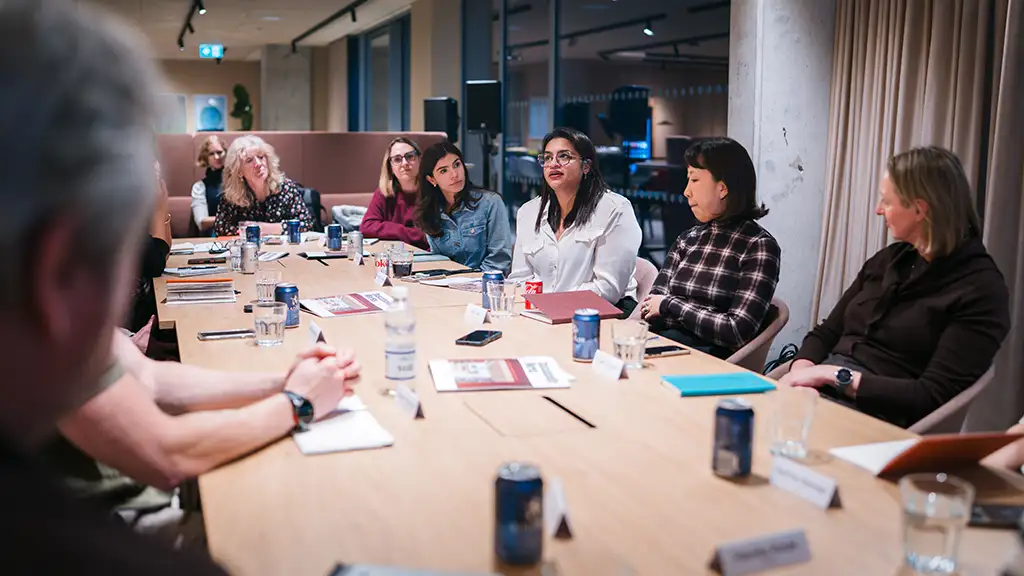
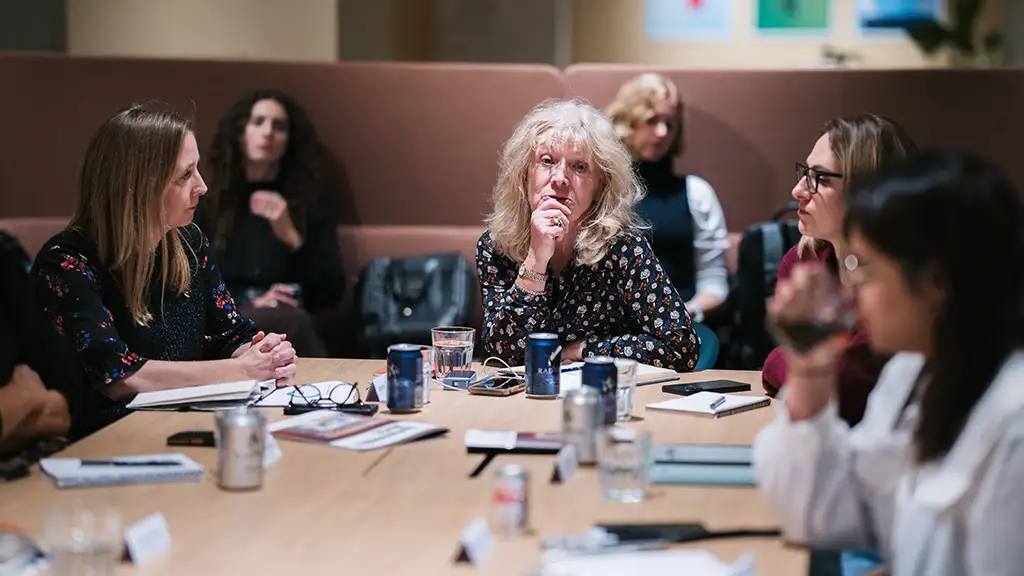
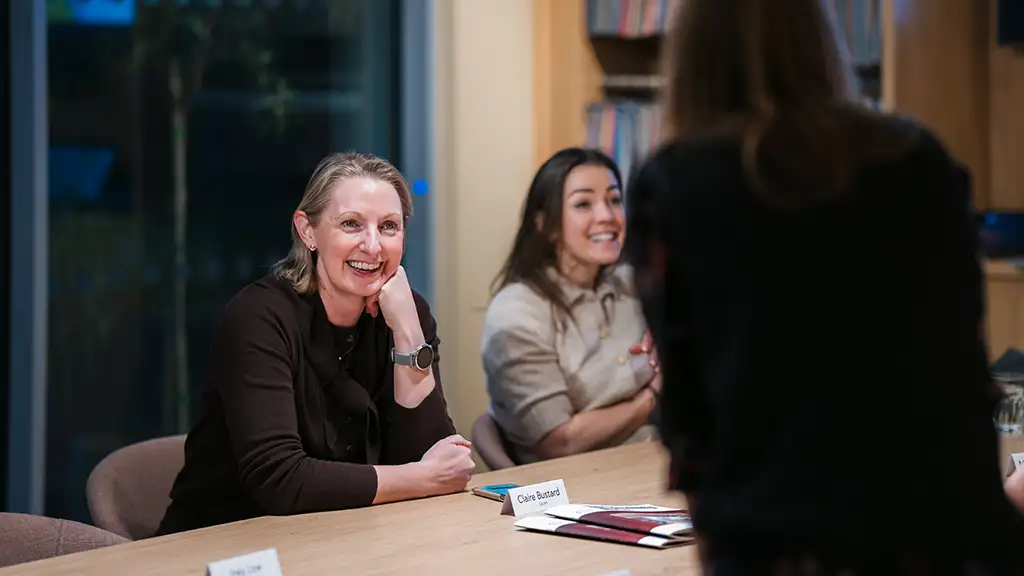
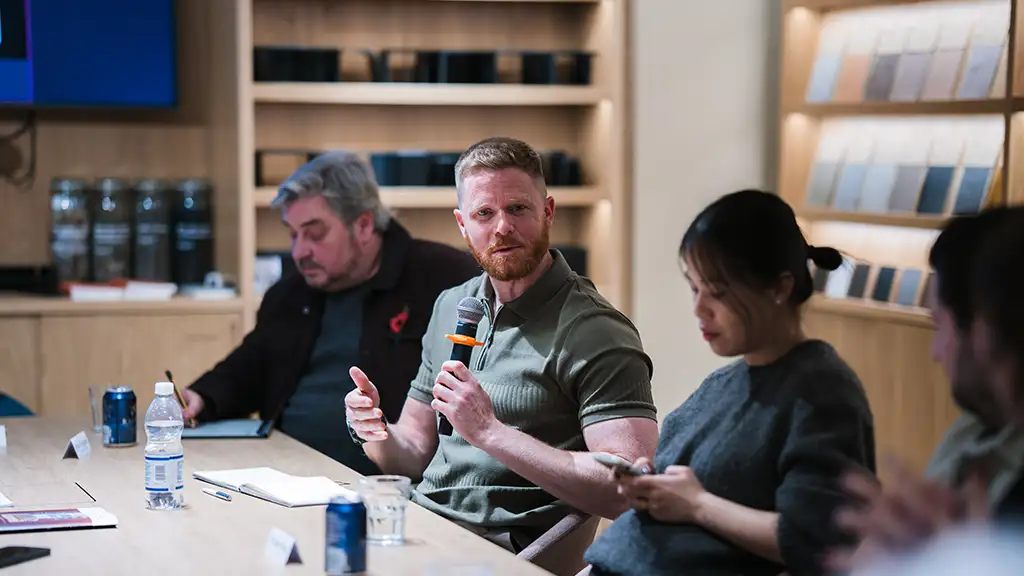
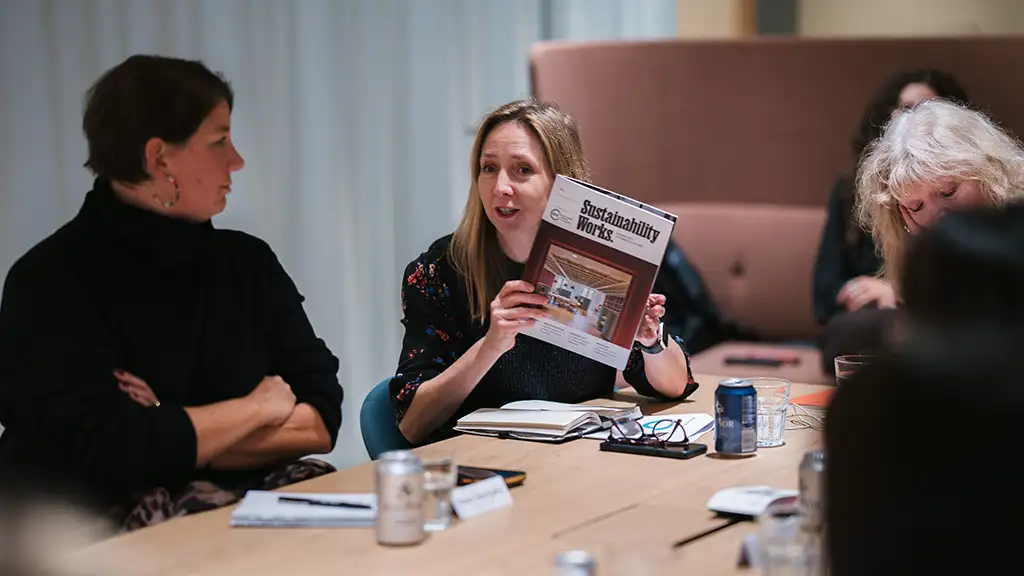
Big thank you to Sustainability Works magazine for partnering with WOD on this second roundtable, and to everyone who contributed to the discussion.