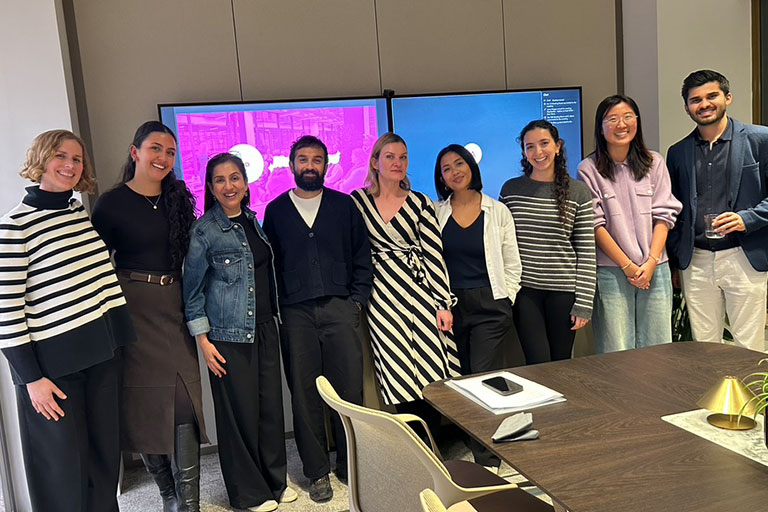
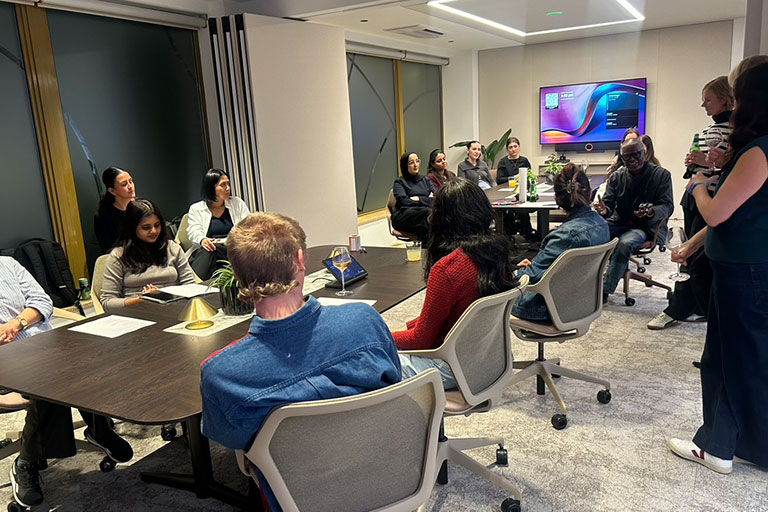
In late March 2026, WOD New Wave hosted its first-ever hands-on workshop, centred on a question many designers are quietly grappling with: is AI amplifying design thinking, or replacing it?
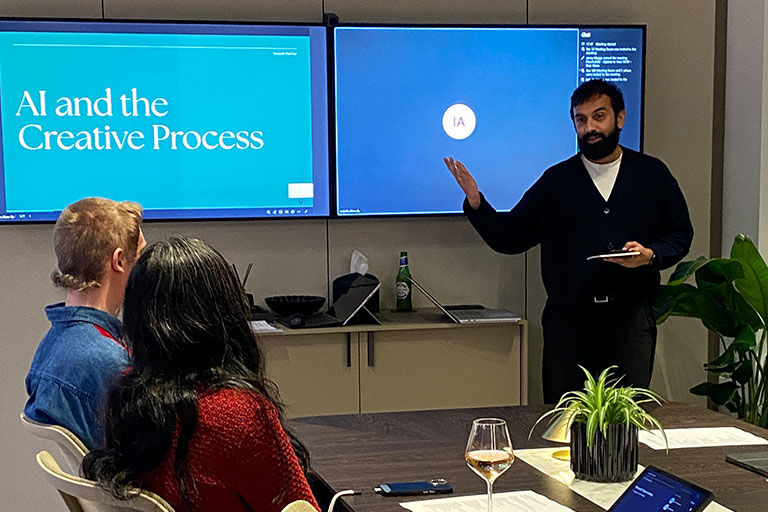
The value, he argued, sits in the 18% AI cannot replicate – the slow, human work of judgement, curiosity, empathy and listening. He spoke about a client who repeatedly described the brief using the word comfortable. It took time, patience and genuine presence to understand what the client was really asking for. What they wanted wasn’t optimisation, it was belonging. That kind of insight, Deepak reminded us, can’t be prompted into existence. That kind of insight comes from sitting in the room with someone and listening.
His challenge to the room was to rethink how we use AI: not as a tool to accelerate decisions, but as a partner that helps us question them. What assumptions am I making? What perspectives am I missing? Who benefits and who might be excluded?
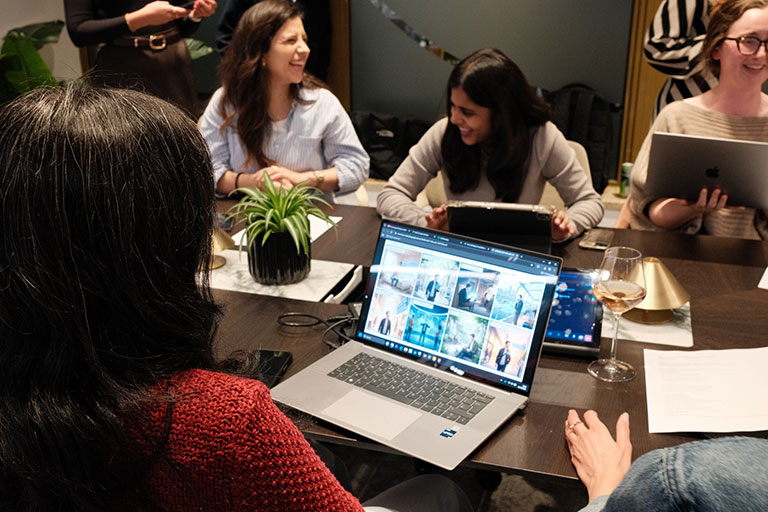
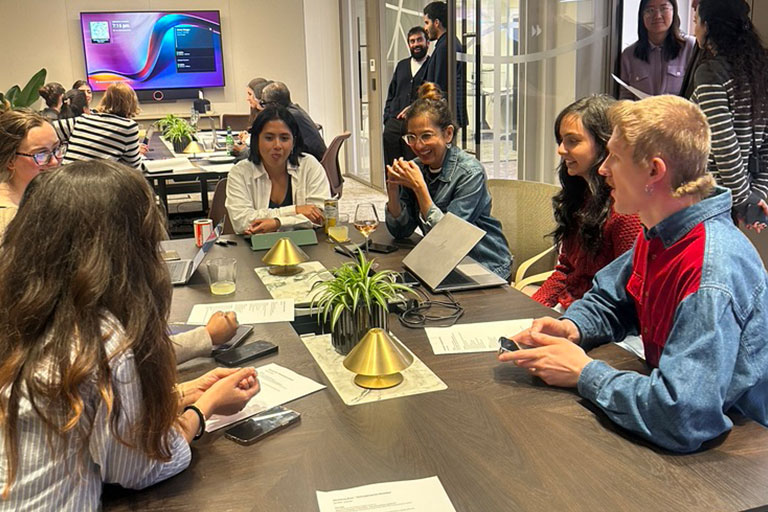
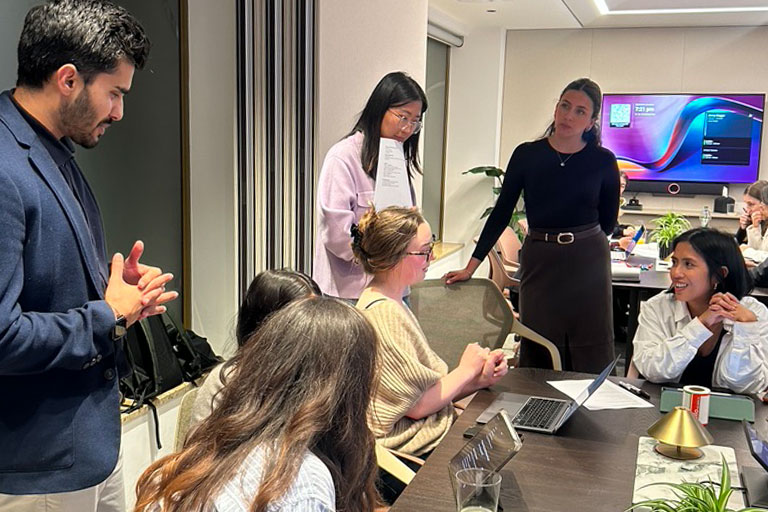
The workshop put this thinking to the test. Split into two groups with the same brief — “What will the workplace of the future look like?”. One team worked with AI, the other without.
The AI group moved quickly, generating a polished future narrative: a fictional resident, polished visuals and a coherent story using multiple tools. They spent more time on individual screens than in conversation.
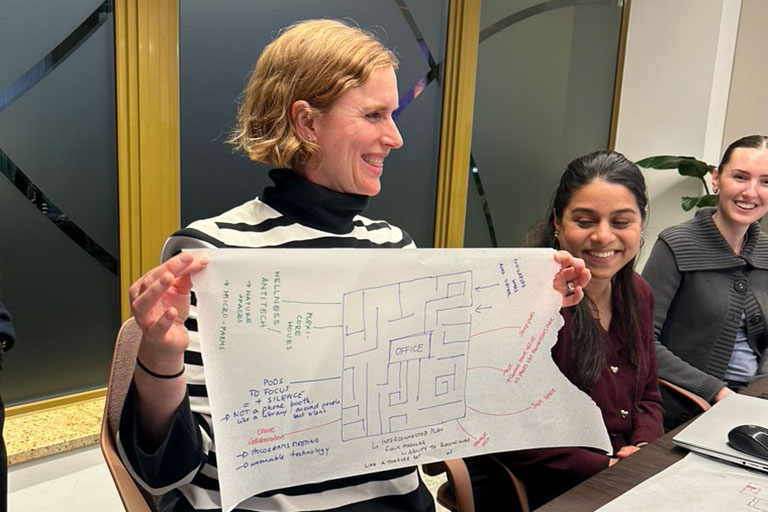
The non-AI group moved differently. They debated, had prolonged conversations and sat with uncertainty before arriving at an office imagined as a living maze, a dense, self-contained and full of life. It included spaces for deep focus, on-site farming, and quiet pockets alongside holograms representing remote colleagues. Less resolved, but unmistakably human.
The contrast led to one of the most honest conversations of the evening. The AI group had arrived at a story; the non-AI group had arrived at an experience. Neither felt complete on its own.
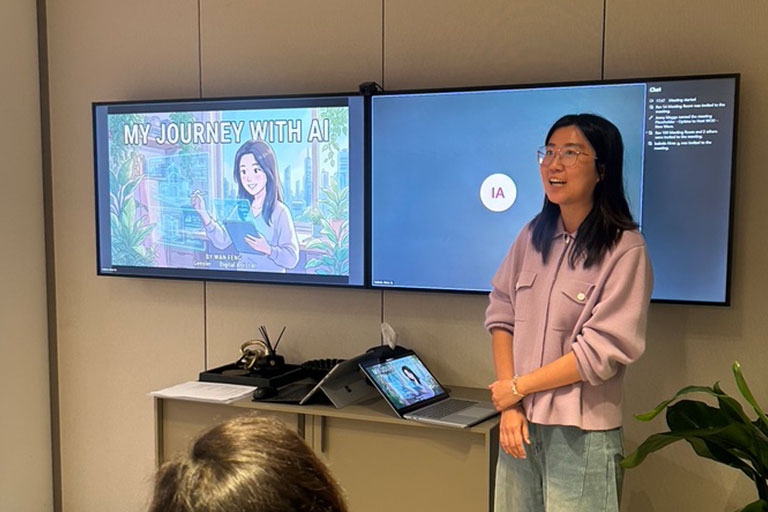
Wan Feng, AI Digital Artist at Gensler, closed the evening by grounding these ideas in her own journey. From experimenting with AI during her studies, to learning how the tools work under the hood, to stepping into a role that didn’t exist before she joined the firm, her work reframed AI not as a shortcut, but as a storytelling tool.
Her message was clear: AI’s most powerful contribution to design isn’t speed or output, but narrative. When used with intent, it becomes a way to layer meaning, environmental, historical and human, into the work, rather than simply rendering it.
The designers who will stand out won’t be those who reach for AI first, but those who know when to slow down, sit with complexity, and truly listen.
New Wave is only just getting started and we can’t wait to see where this journey takes them.