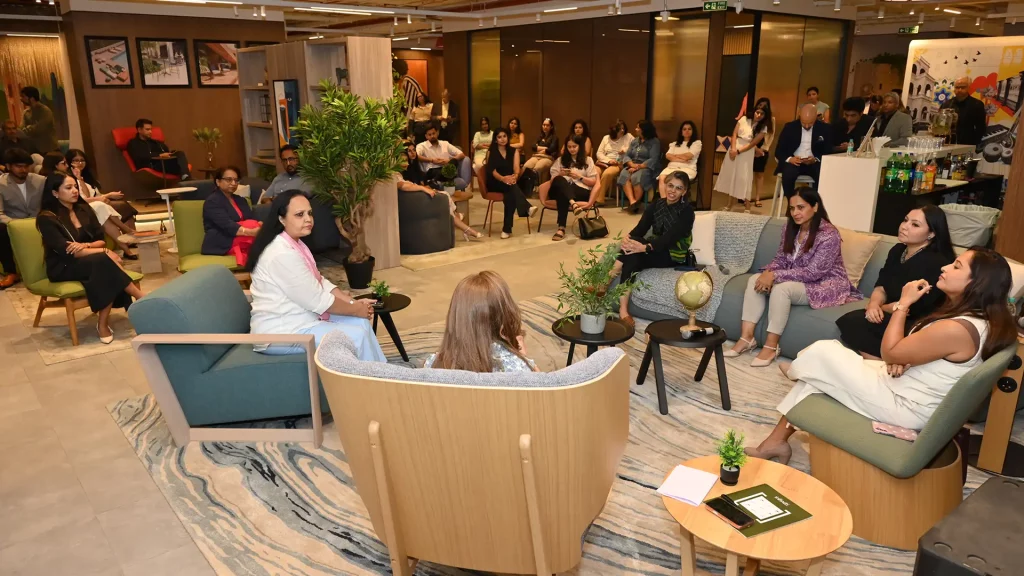
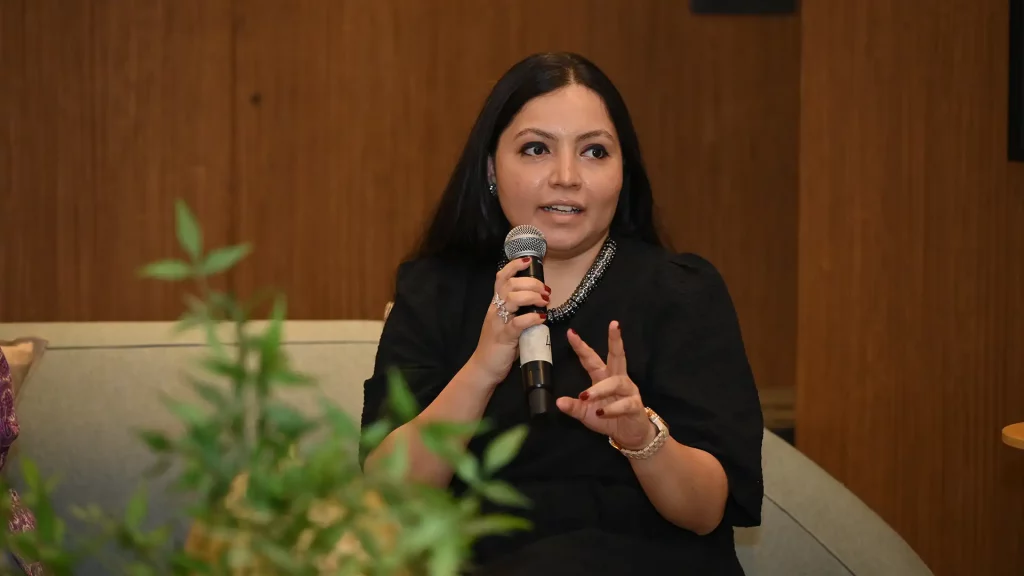
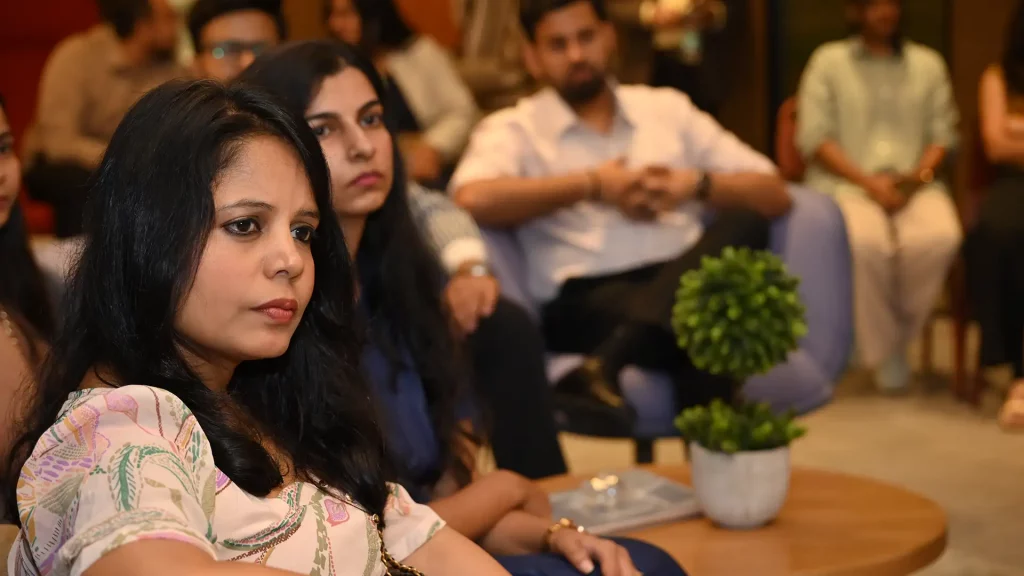
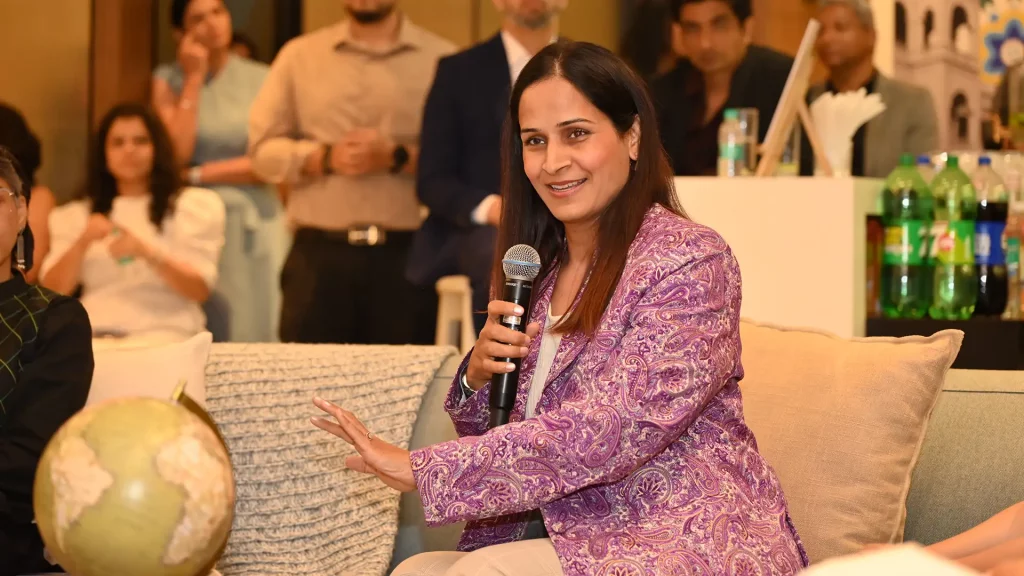
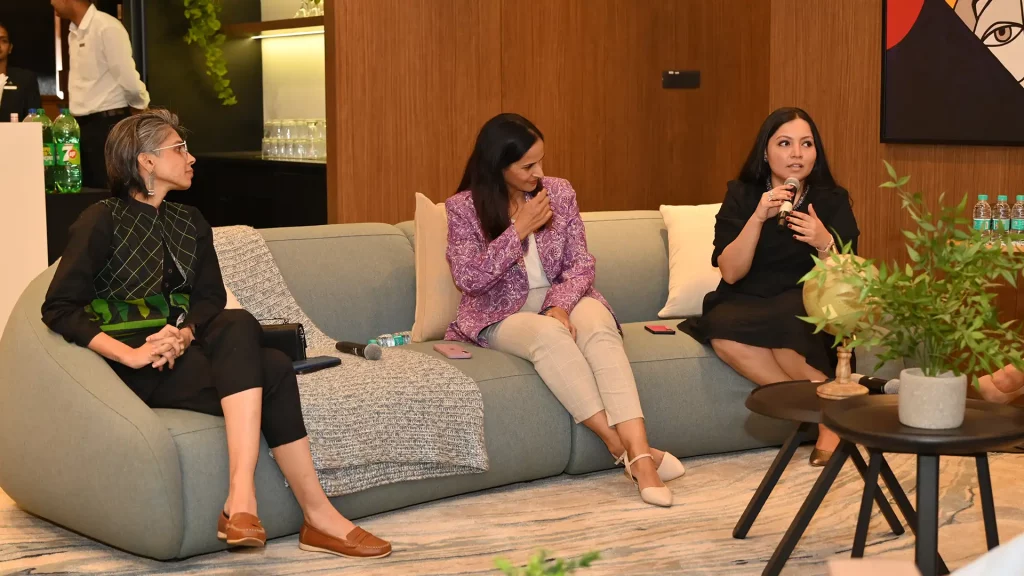
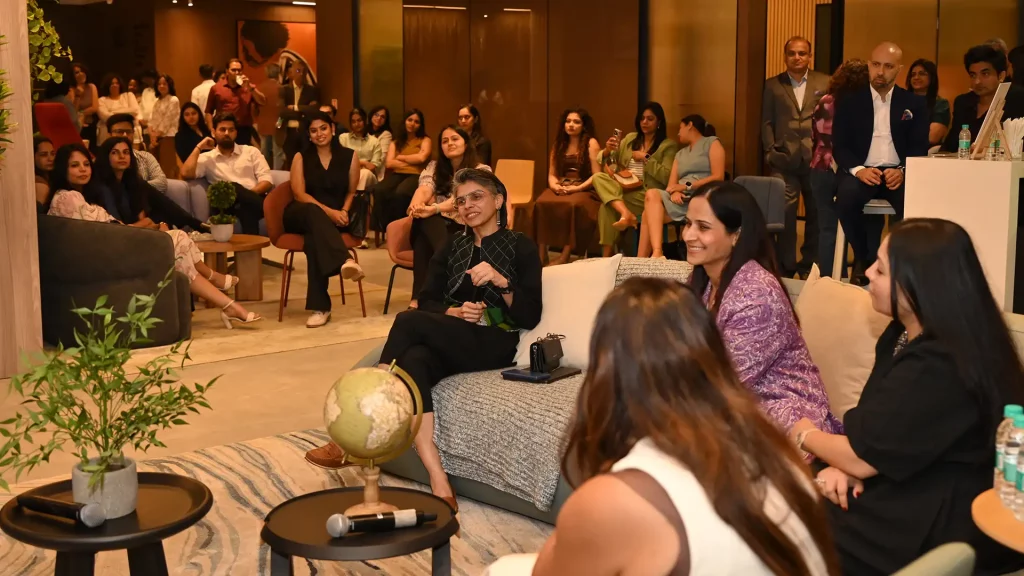
The discussion repeatedly challenged familiar workplace buzzwords—human-centricity, collaboration, sustainability, technology, AI, flexibility—and argued that their value depends entirely on whether they solve a genuine organizational or employee problem.
1. The office now has to “earn the commute.”
With employees having experienced the convenience and autonomy of remote work, workplaces can no longer justify themselves simply as places to work. They need to provide something materially better: interaction, creativity, learning, connection, culture and a sense of belonging. The office is effectively competing with the home and other comfortable “third places.”
2. Workplace strategy should start with the business and employee problem—not the floor plan.
Occupiers are moving beyond questions such as workstation counts and seating density. The stronger briefs begin with: What is the organization trying to achieve? How do people actually work? What is missing today? Design becomes a strategic response to these questions rather than an aesthetic exercise.
One powerful example involved surveying employees on what they wanted to retain, remove and introduce in a new workplace. Even seemingly small requirements surfaced through this process, reinforcing the importance of listening to a genuinely diverse employee population.
3. Human-centricity is about experience, not amenities.
The panel broadened the definition of people-centric design beyond the immediate office. Location, commuting, F&B, retail, wellness, fitness and mixed-use ecosystems increasingly influence the employee experience. Within the workplace itself, the emphasis is shifting from how a space looks to how people feel, perform and connect within it.
4. Design needs to become co-creation.
A recurring point was that the traditional client–designer relationship can become too transactional: the occupier provides a brief and expects the designer to execute it. The preferred model is co-design, with occupiers, designers, employees, consultants, technology teams, HR, finance and vendors participating early.
Designers should ideally enter at the brief-development stage, rather than after fundamental decisions have already been made.
5. Successful workplace investment is not necessarily visible investment.
The discussion distinguished between impression and experience. Highly polished materials or visually impressive offices may create an immediate “wow”, but lasting value comes from functionality, usability, adaptability, employee awareness and sustainable choices.
An important observation was that investment in technology, furniture or workplace features can underperform simply because employees are never taught how or why to use them.
6. Adaptability is becoming one of the defining design principles.
Occupiers increasingly want spaces that are not set in stone for ten years. Furniture, layouts and workplace settings should be capable of changing with headcount, working styles, technology and business requirements. The future workplace was therefore described less as a completed product and more as an ever-evolving environment.
7. “Collaboration space” needs greater discipline.
One of the more provocative observations was that designers should stop labelling leftover space as collaboration space. Collaboration should be purposeful and linked to how an organization actually works, rather than inserted simply because it has become a standard component of contemporary office design. The takeaway was not “less collaboration”, but more meaningful collaboration.
8. AI will change both work and the workplace brief.
The panel distinguished between basic automation and genuine AI deployment. Organizations are already examining which repetitive activities can be automated and where AI can generate productivity and economic returns. Paradoxically, the expectation was that increasing AI adoption could make workplaces more human-focused rather than less. As routine and analytical work becomes increasingly technology-enabled, physical workplaces may devote more attention to what technology cannot easily replicate: trust, human connection, learning, mentoring, brainstorming and belonging. AI fluency is also increasingly becoming part of the employer proposition, particularly as younger employees expect organizations to be technologically contemporary.
9. Sustainability is moving toward circularity.
Sustainability was discussed not simply in terms of certifications or green materials, but through reuse, repurposing and lifecycle thinking. Designers have an opportunity to challenge the assumption that each new project requires everything to be replaced. The broader principle was close to a circular-economy model: repair, reuse and repurpose before replacing.
10. Designers need to enter projects with less certainty and more curiosity.
Both occupiers and designers acknowledged the danger of bringing assumptions from previous projects into a new organization. Designing five banks does not mean the sixth bank requires the same solution. The panel advocated greater unlearning, wider stakeholder consultation and a willingness to challenge both client assumptions and fashionable design conventions.
What the future workplace appears to be moving toward.
The strongest collective view was that the workplace of the next five years will need to be responsive rather than fixed; functional rather than flashy; inclusive rather than assumption-led; technology-enabled but deeply human; and sustainable through lifecycle thinking rather than superficial interventions.
Perhaps the most important idea from the discussion was this: A workplace should not be designed for its inauguration day. It should be designed for what happens every day after that.
That shifts the measure of successful workplace design from “Does this office look impressive?” to “Does this environment continue to help the organization and its people perform, connect and evolve?”